
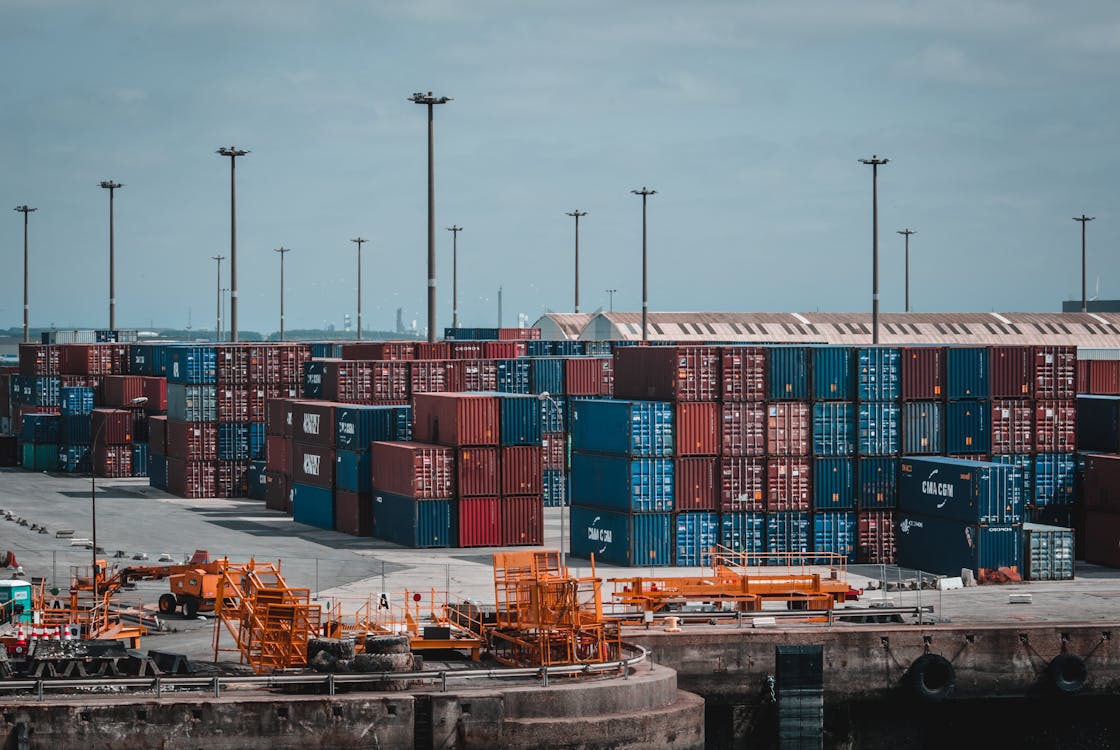
Why Indonesian Maritime Logistics Matters for Ship Operators
Indonesia is the world's largest archipelago nation, comprising more than 17,000 islands stretching from Sabang in the west to Merauke in the east. This unique geographic condition makes maritime logistics the backbone of the national economy and a complex operational landscape for international ship operators. With over 800 ports operating across the archipelago, Indonesia presents enormous business opportunities — but also demands a thorough understanding of the local logistics ecosystem to operate successfully.
For ship operators planning to enter Indonesian trade lanes, understanding the local maritime logistics system is not just about operational efficiency — it is the key to the success of the entire voyage mission. From vessel arrival procedures to cargo distribution inland, every stage requires careful coordination between ship agents, port authorities, government agencies, and land logistics providers. Getting this coordination right is what separates smooth port calls from costly delays.
This guide serves as a comprehensive resource for ship operators, fleet managers, and logistics officers who want to understand how Indonesia's maritime logistics system works — from vessel arrival at the first port of call to final cargo delivery at the destination.
Major Port Infrastructure in Indonesia
Indonesia has several strategic ports that serve as national and international maritime logistics hubs. Tanjung Priok in Jakarta is the main gateway with the largest container throughput capacity, handling more than 8 million TEUs per year. The port is equipped with modern facilities including multipurpose terminals, automated container terminals, and integrated logistics zones that support cargo distribution across western Indonesia and the greater Jakarta metropolitan area.
Tanjung Perak in Surabaya serves as the primary hub for eastern Indonesia, handling shipping routes to Kalimantan, Sulawesi, Papua, and Nusa Tenggara. With continuously expanding capacity, Tanjung Perak is a critical node in the national distribution chain. In Sumatra, Belawan Port in Medan serves as the primary entry point for cargo from the west, while Dumai Port handles exports of palm oil and related commodities.
Balikpapan Port in East Kalimantan plays a strategic role in coal, oil, and natural gas exports, while Makassar in South Sulawesi functions as the main distribution hub for eastern Indonesia. For ship operators planning multi-port calls, having reliable crew change services and an experienced agent network across multiple ports is essential to maintaining operational efficiency throughout the voyage.
Supply Chain and Maritime Cargo Flow in Indonesia
Understanding the maritime logistics supply chain in Indonesia begins at the point of vessel arrival at the port. Before the ship berths, the appointed ship agent is responsible for processing all pre-arrival documentation including the PKKA (foreign ship agency notification), berthing permits, and clearances from relevant authorities such as immigration, customs, quarantine, and port management. This pre-arrival coordination is critical and should ideally begin 48-72 hours before the vessel's estimated time of arrival (ETA).
The cargo handling process at Indonesian ports involves several key players: terminal operators managing loading and unloading infrastructure, EMKL companies (sea freight forwarders) handling customs documentation, trucking companies for inland distribution, and warehouses or distribution centers as cargo holding points. Smooth coordination among all these parties is essential to avoid extended dwelling times — a persistent challenge at many Indonesian ports that can significantly impact shipping schedules and overall voyage costs.
For special cargo types such as Dangerous Goods (DG), refrigerated cargo (reefer), or project cargo (heavy lift and breakbulk), additional coordination with technical government agencies is required. Professional maritime logistics services from an experienced ship agent can help optimize the entire process and minimize the risk of costly delays at Indonesian ports.
Regulations and Compliance in Indonesian Maritime Logistics
Maritime logistics regulations in Indonesia are governed by several key institutions: the Ministry of Transportation (Kemenhub) as the sector regulator, the Directorate General of Customs and Excise (DJBC) for customs matters, the Directorate General of Immigration for foreign crew members, and the Indonesian Quarantine Agency for sanitary and phytosanitary inspections. International ship operators must ensure all documentation complies with the requirements of each of these agencies before the vessel arrives at any Indonesian port.
Since the nationwide implementation of the Inaportnet system, most port permitting processes are now handled digitally through this integrated platform. Inaportnet enables single-window submission for various services including requests for anchorage, berthing, cargo operations, and vessel departure clearance. However, not all smaller ports are fully integrated yet, meaning manual processes still apply in some locations — particularly in eastern Indonesian ports and more remote coastal areas.
Foreign vessels operating in Indonesian waters must also comply with cabotage regulations under Shipping Law No. 17 of 2008. This law restricts foreign-flagged vessels from transporting cargo between domestic Indonesian ports. Exceptions apply to certain cargo types and special conditions requiring additional permits from Kemenhub. To ensure full regulatory compliance throughout every port call, ship operators are strongly advised to coordinate with a local ship agent's PKKA services from the earliest planning stage.
Key Challenges in Indonesian Maritime Logistics and Solutions
One of the biggest challenges in Indonesian maritime logistics is the still relatively high dwelling time compared to other regional ports. Despite significant government efforts including the implementation of single window systems and procedure simplification, physical cargo inspection processes and inter-agency synchronization continue to consume considerable time. The most effective solution is to use a ship agent with strong relationships with port authorities and thorough knowledge of expedited service procedures at each specific port.
Another challenge is the uneven inter-island connectivity across the archipelago. While the government's Tol Laut (Sea Highway) program has opened new routes to remote areas such as Papua, Maluku, and East Nusa Tenggara, the frequency of vessel calls and availability of support facilities at smaller ports remain limited. Cargo operators needing to distribute goods to these regions often must use a combination of sea, land, and in some cases air transport to meet delivery commitments.
Logistics costs in Indonesia are also relatively high compared to neighboring countries, particularly for distribution to eastern Indonesia. Cost transparency, well-negotiated tariff agreements, and strategic use of Special Economic Zone (SEZ) or bonded zone facilities can be effective strategies to optimize overall logistics costs. An experienced ship agent can provide guidance on all these options and help ship operators plan the most efficient routes and call schedules for their specific operational requirements.
Digital Transformation in Indonesian Maritime Logistics
The Indonesian government is actively driving digital transformation in the maritime logistics sector through multiple interconnected initiatives. In addition to Inaportnet, the National Single Window (NSW) system enables data integration between government agencies and logistics businesses. This platform accelerates document clearance processes and reduces the potential for administrative errors and delays that were common under the previous manual documentation system.
Blockchain technology is beginning to be adopted by major logistics companies in Indonesia to improve transparency and end-to-end cargo traceability from origin to final destination. Real-time monitoring systems based on GPS and IoT (Internet of Things) are also increasingly used by fleet operators to track vessel positions, monitor cargo conditions, and optimize fuel efficiency. For international ship operators, working with a technologically capable ship agent that employs the latest digital tools provides a meaningful operational advantage in Indonesia's fast-moving maritime market.
Nusantika continuously adopts digital technology in ship agency operations, ensuring the information transparency and rapid response speed required in the dynamic maritime industry. With real-time reporting systems and digitally coordinated workflows, we ensure every vessel we handle receives the highest standard of service at every port across Indonesia.
Practical Tips for Ship Operators in Indonesia
First, ensure your ship agent is appointed at least 48-72 hours before vessel arrival to allow sufficient time for processing all pre-arrival documentation. Late agent appointment creates a risk of clearance delays and avoidable additional costs. A well-prepared ship agent will immediately begin coordinating with port authorities and relevant agencies upon receiving the appointment, ensuring all pre-arrival submissions are made on schedule.
Second, prepare all vessel and crew documentation in the format required by Indonesian authorities. This includes Ship's Certificates (Class Certificate, Safety Management Certificate, ISPS Certificate), a Crew List in Indonesian immigration format, and complete cargo documents (Bill of Lading, Packing List, Certificate of Origin). Incomplete or incorrectly formatted documentation is the most common cause of delays at Indonesian ports and can result in significant time and cost penalties for the vessel operator.
Third, be fully aware of Indonesia's national holiday calendar because major holidays have a significant impact on document processing timelines. Extended holidays such as Eid al-Fitr (Lebaran), Christmas, and New Year can considerably slow administrative processes across all government agencies. Coordinate vessel arrivals wisely to avoid these periods when possible, or budget for additional overtime service charges if the vessel must arrive during public holiday periods.
FAQ: Maritime Logistics in Indonesia
Q: How long does cargo handling typically take at major Indonesian ports?
A: Cargo handling time varies depending on cargo type and port. At Tanjung Priok, a medium-sized container vessel typically requires 24-48 hours for complete cargo operations including document clearance. For breakbulk and bulk cargo, the process can take 3-7 days depending on cargo volume and berth availability. Appointing an experienced ship agent and having complete documentation prepared well in advance can significantly reduce time at berth and minimize port stay costs.
Q: Can foreign-flagged vessels operate at all Indonesian ports?
A: Foreign vessels can enter Indonesian ports that are designated as open for international trade. However, for transporting cargo between domestic Indonesian ports (cabotage trade), foreign-flagged vessels are generally prohibited unless special permits have been obtained from Kemenhub. The list of international ports and the complete regulatory framework can be consulted with a local ship agent who stays current with the latest Kemenhub regulations and port authority requirements.
Q: What costs should be budgeted for maritime logistics in Indonesia?
A: Maritime logistics costs in Indonesia include port dues (anchorage, berthing, pilotage fees), terminal handling charges (THC), cargo loading and unloading costs, documentation fees (PKKA, clearance), trucking and inland distribution costs, and warehouse or container yard storage fees. For an accurate cost estimate tailored to your vessel's specific itinerary and cargo profile, contact Nusantika and we will prepare a detailed cost breakdown covering all anticipated port expenses.
Q: How should Dangerous Goods (DG) cargo be handled at Indonesian ports?
A: DG cargo in Indonesia must comply with IMDG Code standards and applicable national regulations. A special DG declaration is required along with appropriate labeling and marking, plus advance notification to port authorities well before the vessel's arrival. Some categories of DG cargo require additional permits from technical agencies such as the Ministry of Industry or BPOM (Food and Drug Authority). Your ship agent must be informed of any DG cargo from the earliest planning stage so that all necessary arrangements can be coordinated and completed in a timely manner.
Conclusion: Optimize Your Maritime Logistics Operations in Indonesia
Maritime logistics in Indonesia offers tremendous opportunities for international ship operators, but also demands deep understanding of local regulations, procedures, and the operational ecosystem. From continuously developing port infrastructure to an ongoing digital transformation, Indonesia is a dynamic, high-potential market for those who are well-prepared to navigate its unique conditions.
The key to successful maritime logistics operations in Indonesia is partnering with an experienced local ship agent that has a wide network, deep regulatory expertise, and operates 24 hours a day, 7 days a week across all major Indonesian ports. Nusantika brings a proven track record at all major Indonesian ports — Tanjung Priok, Tanjung Perak, Belawan, Balikpapan, Makassar, Batam, Bitung, Pontianak, and Semarang — ready to help optimize every aspect of your maritime operations in Indonesia.
Need maritime logistics support in Indonesia? Contact Nusantika via WhatsApp — available 24/7.