
Introduction: Why Dangerous Goods Handling Demands Extra Care
Dangerous goods (DG) include chemicals, flammable liquids, pressurised gases, corrosive substances, and increasingly the lithium batteries shipped in containers. A single error in declaration, labelling, or stowage segregation can lead to fire, marine pollution, refused loading, or even detention of the vessel. For ship operators calling at Indonesian ports, understanding dangerous goods rules is an essential part of port call planning.
The main international reference is the International Maritime Dangerous Goods (IMDG) Code, made mandatory under SOLAS Chapter VII and MARPOL Annex III. Indonesia, as an IMO member, applies the code through national shipping and port regulations, with oversight by the port authority (Syahbandar) and terminal operators. Because IMDG amendments are issued periodically, operators must make sure the edition in force at the time of shipment is used.
This article covers dangerous goods classification, the required documents, the handling flow at Indonesian ports, and common mistakes to avoid. It complements our guide to MARPOL rules in Indonesia and Nusantika's maritime logistics services. Technical requirements can change, so always confirm the latest rules with your ship agent before arrival.
Understanding IMDG Classification: The Nine Hazard Classes
The IMDG Code divides dangerous goods into nine classes by hazard. Class 1 covers explosives, Class 2 gases (flammable, non-flammable, or toxic), Class 3 flammable liquids, and Class 4 flammable solids or substances that react with water. Class 5 covers oxidising substances and organic peroxides, Class 6 toxic and infectious substances, Class 7 radioactive material, Class 8 corrosives, and Class 9 miscellaneous dangerous substances, including lithium batteries and environmentally hazardous substances.
Each substance has a four-digit UN number, a Proper Shipping Name, a hazard class, and a Packing Group (I, II, or III) indicating the degree of danger. This information is found in the Dangerous Goods List of the IMDG Code and must be consistent across documents, package labels, and manifests. A mismatch between paperwork and the physical cargo is a common reason for rejection at terminals.
Packaging and containers must also comply. Packages need UN marks showing they passed testing, while containers must carry hazard placards on all four sides according to the cargo class. For bulk liquids or gases in tanks, the type of portable tank and its test pressure are also checked. Operators should make sure shippers understand these obligations before cargo reaches the terminal.
Required Documents for Dangerous Goods Shipments
The key document is the Dangerous Goods Declaration (DGD), completed and signed by the shipper. It states the UN number, Proper Shipping Name, class, packing group, number and type of packages, and flashpoint where relevant. For containerised cargo, a Container/Vehicle Packing Certificate is also required, confirming the container was packed, secured, and marked correctly.
Supporting documents include a current Safety Data Sheet (SDS), emergency response instructions under the Emergency Schedules (EmS), and a Dangerous Goods Manifest or special stowage plan prepared by the shipping line. Vessels carrying dangerous goods must hold a Document of Compliance for the Carriage of Dangerous Goods under SOLAS Chapter II-2 Regulation 19. This is checked during Port State Control inspections, as discussed in our guide to PSC regulation in Indonesia.
Beyond shipping documents, notification to port authorities and the terminal is made before the vessel arrives. Dangerous cargo information is typically attached to the vessel arrival documents, so the agent should prepare it together with other foreign vessel documents. Our PKKA service helps ensure arrival reporting is complete and on time.
Dangerous Goods Handling Flow at Indonesian Ports
The flow begins with the booking. The shipper must disclose the hazardous nature of the cargo from the outset so the shipping line can decide whether the vessel and route can accept it. Not every ship or service accepts every class, and some cargo, such as Class 1 or Class 7, requires special approval.
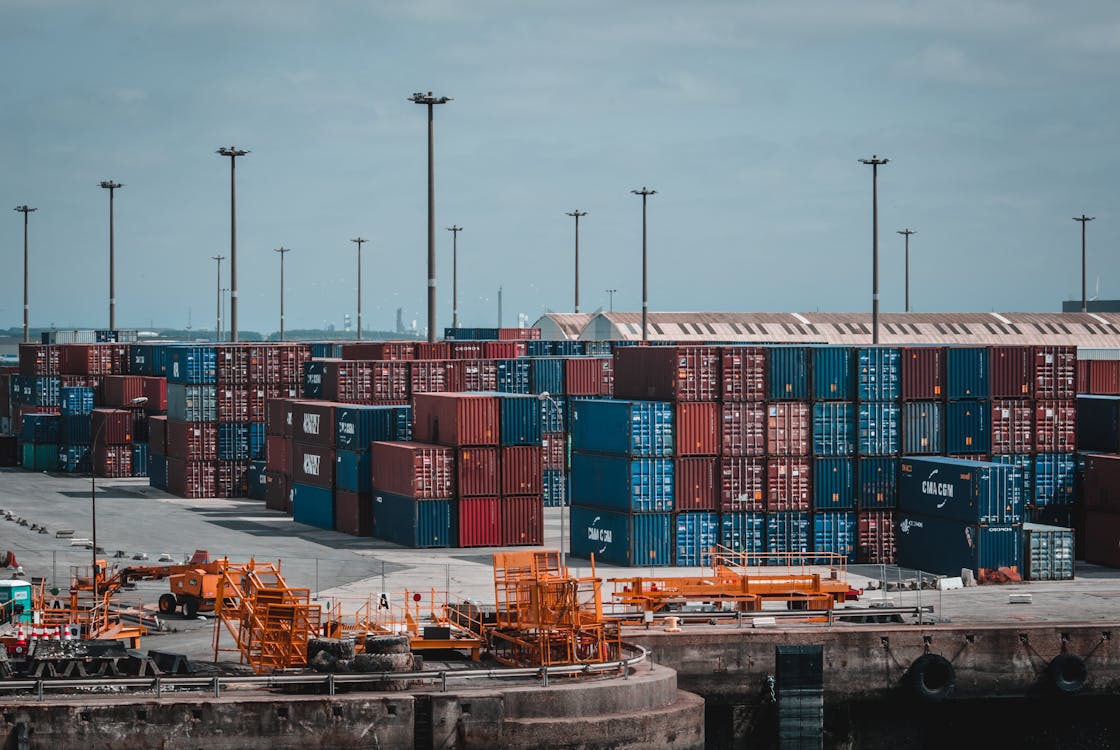
At the terminal, dangerous containers are normally received within set time windows and stacked in dedicated areas separated from general cargo, reefer containers, and worker areas. Terminal staff check that the DGD matches labels, placards, and the physical condition of the unit. Containers with incomplete documents may be held until the shipper corrects them, which can mean missing the vessel.
During loading, stowage planners apply the IMDG segregation table. For example, flammable liquids must not be stowed near oxidisers, and some classes must be on deck, away from accommodation and heat sources. At busy ports such as Tanjung Priok and Tanjung Perak, coordination between agent, terminal, and ship officers is key to preventing last-minute stowage changes. Related port guidance is in our article on Tanjung Priok for ship operators.
After loading, ship officers verify placement against the manifest. If an incident occurs, such as a leak or fire, emergency procedures follow the EmS and the Medical First Aid Guide. The event must be reported promptly to the Syahbandar and relevant parties, and the agent coordinates communication and shore support needs.
Common Mistakes and How to Avoid Them
The most frequent mistake is misdeclaration, where the shipper fails to declare dangerous goods or uses the wrong classification. Lithium batteries, cleaning liquids, paint, and aerosol products are often shipped undeclared because they seem ordinary. The result can be refused loading, fines, or legal liability if an incident occurs. Operators should verify suspicious cargo before accepting a booking.
The second mistake is using an outdated IMDG Code edition. Amendments are issued every two years with transition periods, so documents prepared under an old edition can be rejected. The third is inadequate training. Personnel who handle or prepare dangerous goods documents must be trained for their function, and crews need to understand the safety management system under the ISM Code.
The fourth mistake is late communication. DG information supplied only after the vessel berths leaves little time to correct paperwork. Best practice is to give the agent complete DG data at least several days before ETA so the agent can coordinate with the terminal and authorities. Additional help is available through our support services.
The Role of the Ship Agent in Managing Dangerous Cargo
The ship agent is the link between the owner or operator, the terminal, the Syahbandar, and other authorities. For dangerous goods, the agent makes sure cargo information is passed on in time, schedules the berth according to terminal readiness, and tracks any special requirements local authorities may impose. An experienced agent also knows how practices differ between ports, for example DG container receiving hours or the stacking areas available.
The agent also helps with unexpected situations, such as a container found undeclared, documents needing correction, or the need for surveyors and emergency handling. A fast response in these cases can prevent costly departure delays. Choosing the right partner therefore matters; the considerations are covered in our guide to choosing a ship agent in Indonesia.
As a practical step, operators should prepare an internal checklist before each port call: verify the DGD against the SDS, confirm placards and UN marks, match the DG manifest with the stowage plan, and confirm the emergency plan and 24-hour contacts. A simple list like this reduces inspection findings and speeds up terminal processing.
Special Cargo: Lithium Batteries, Tanks, and Marine Pollutants
Lithium batteries are now among the most closely watched causes of container incidents in the industry. Lithium-ion and lithium metal batteries have different UN numbers, and packaging rules depend on whether batteries are shipped alone, packed with equipment, or installed in a device. Damaged or used batteries require special treatment because the risk of thermal runaway is higher. Shippers must disclose battery condition honestly in the DGD.
For liquid cargo in ISO tanks, checks cover periodic test dates, maximum filling level, and compatibility of the tank material with its contents. Tanks that are overfilled or past their test date can be rejected. Meanwhile, substances classed as marine pollutants must carry a special mark on packages and containers, because a leak can damage marine ecosystems and breach MARPOL Annex III. This mark is separate from the class hazard label and is often missed by less experienced shippers.
FAQ
Q: Is the IMDG Code mandatory at Indonesian ports?
A: Yes. The IMDG Code applies to the carriage of packaged dangerous goods by sea under SOLAS Chapter VII and is implemented through national shipping regulations. Ports and terminals refer to it when accepting and stacking dangerous cargo.
Q: Which document most often causes DG cargo to be rejected?
A: An incomplete Dangerous Goods Declaration, or one inconsistent with labels and the physical cargo, is the leading cause. A missing Container Packing Certificate and an outdated SDS are also common problems.
Q: Are lithium batteries considered dangerous goods?
A: Yes. Lithium batteries are classified as Class 9 with specific UN numbers and have special packaging and documentation rules. Shippers must declare them, including when installed in equipment.
Q: When should the ship agent be told about dangerous cargo?
A: Ideally during voyage planning and no later than several days before ETA. Early information gives the agent time to prepare reporting and coordinate with the terminal and port authority.
Conclusion
Handling dangerous goods at Indonesian ports requires compliance with the IMDG Code, accurate documentation, and tight coordination between shipper, vessel, terminal, and agent. Operators who prepare declarations early, use the edition in force, and involve their agent sooner are far less likely to face rejected cargo, delays, or legal exposure. With the right preparation, dangerous cargo can be moved safely and on schedule.
Need crew change help in Indonesia? Contact Nusantika via WhatsApp — we are ready 24/7.