
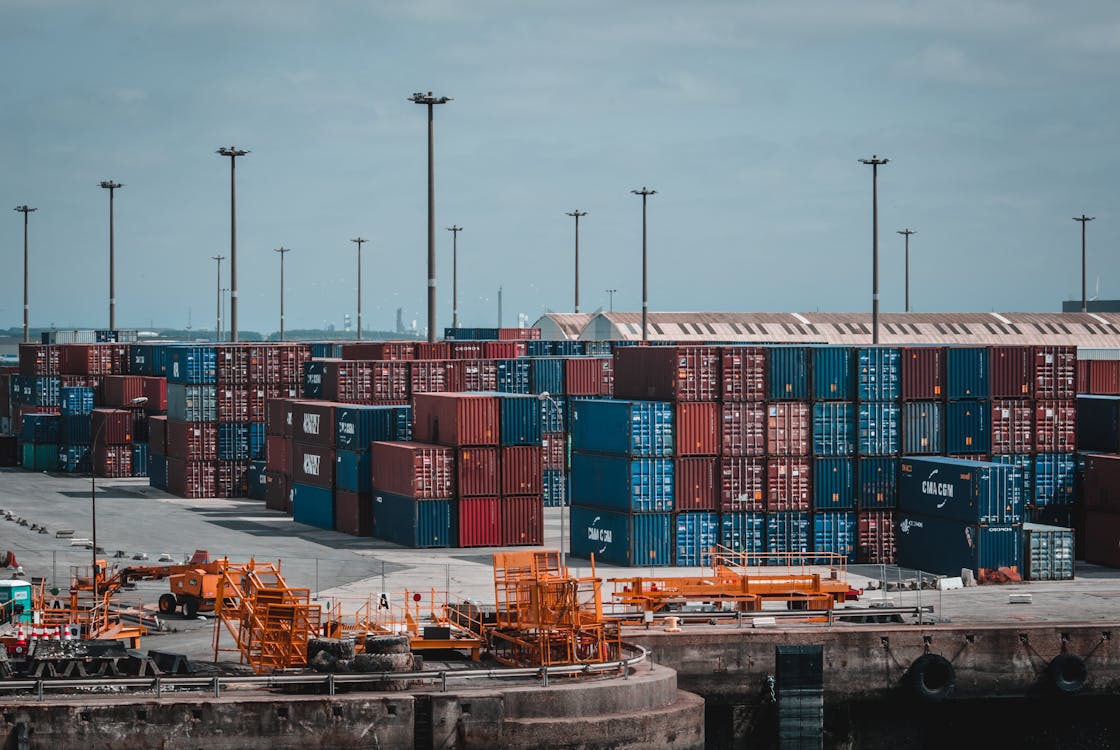
Introduction: Why Shipping Digitalization Matters Now
Indonesia's shipping industry is going through its most significant transformation in three decades. Shipping digitalization in Indonesia is no longer a conference talking point; it is an operational reality that determines how long your vessel waits at anchorage, how large your agency disbursement runs, and how quickly your ship's documents clear. For vessel operators, cargo owners, and fleet managers, understanding the digital landscape of Indonesian ports means understanding where the real cost bottlenecks actually sit.
Indonesia spans more than 17,000 islands and thousands of ports with widely varying levels of technological readiness. Major gateways such as Tanjung Priok, Tanjung Perak, Belawan, Makassar, and Balikpapan are integrated into national electronic systems, while many feeder ports still rely on manual, face-to-face processes. This gap explains why the same vessel can have a completely different experience in Jakarta than in a regional port. An experienced port agent must be able to operate confidently in both worlds at once.
This article maps shipping digitalization in Indonesia in practical terms: which systems you need to know, how they reshape ship agency workflows, where operational risk still hides, and what preparation both foreign and domestic operators should undertake. The focus is not on technology theory, but on the measurable impact on port stay, cost, and regulatory compliance.
The Indonesian Maritime Digital Landscape
The backbone of shipping digitalization in Indonesia is Inaportnet, the internet-based single service system operated by the Directorate General of Sea Transportation under the Ministry of Transportation. Inaportnet integrates applications for vessel and cargo services, covering arrival notification, berthing plan allocation, pilotage and towage requests, and issuance of the sailing approval known as Surat Persetujuan Berlayar. All submissions are made by licensed ship agency companies through official accounts, which means the document trail is recorded and auditable.
On the customs and cross-ministry side, the Indonesia National Single Window and the National Logistics Ecosystem form a second layer of integration. The logistics ecosystem connects government platforms with commercial logistics players, including online delivery orders, electronic container release documents, and consolidated payment. The ambition is straightforward: eliminate repeated submission of identical documents to different agencies. For vessel operators, the most tangible effect is fewer physical courier runs between offices and a lower risk of documents being lost mid-process.
The third layer covers immigration and seafarer documentation. Indonesia's e-Visa service, delivered through the Directorate General of Immigration's official portal, has moved seafarer visa applications online, including sign-on cases for foreign crew. In parallel, Indonesian seafarer records and documents such as the seaman book are moving onto electronic databases. Together, these three layers of port services, customs, and immigration form the framework that anyone handling ships in Indonesia must master today.
It is worth noting that integration between these layers is not yet seamless. In field practice, some documents still require physical verification, particularly for non-routine cases such as emergency crew changes, crew carrying non-standard documentation, or vessels requiring special handling. This is precisely where a local agent remains essential: systems accelerate the routine, while people resolve the exceptions.
How Digitalization Reshapes Ship Agency Workflows
Before Inaportnet, ship agency work depended heavily on physical presence: delivering files to the Harbour Master and Port Authority office, waiting for disposition, then collecting signed documents. That sequence could consume hours or days depending on queues and office hours. Shipping digitalization has compressed most of those trips into document uploads and online status monitoring, changing the rhythm of an entire port call.
The shift also changes the nature of the port agent's job, from document courier to data and exception manager. What now determines speed is not how fast a messenger moves, but how accurately vessel data is entered from the outset. Small errors such as a transposed IMO number, gross tonnage inconsistent with the certificate, an inconsistent last port of call, or a crew list that does not match immigration records are rejected by the system and force resubmission. A single wrong digit can cost an extra shift at anchorage.
The practical implications for operators are clear. First, send pre-arrival documents earlier, ideally 48 to 72 hours before ETA, so the agent has room to correct discrepancies. Second, ensure document consistency: crew list, ship particulars, class certificates, and cargo documents must reconcile with each other. Third, maintain a single source of truth for vessel data so that conflicting versions do not circulate between head office, master, and agent. These unglamorous habits usually save more time than any piece of technology.
Digitalization has also improved cost transparency. Because many official state levies are now billed through systems with traceable billing codes, operators can separate statutory charges from agency service fees far more clearly. For foreign principals accustomed to strict accountability standards, this materially simplifies reconciliation of the disbursement account. Our structured approach to vessel documentation is described under layanan PKKA.
Technology Aboard Ships and Inside Terminals
Beyond government platforms, digitalization is advancing on the vessel and terminal side. Modern container terminals in Indonesia run terminal operating systems that govern container placement, equipment allocation, and truck scheduling. Automated gate systems shorten truck processing time at entry points, while truck appointment scheduling helps flatten peak-hour congestion. For cargo owners, the benefit shows up as predictability of handling time rather than raw peak speed.
Aboard ships, navigation and monitoring technology continues to spread. The Automatic Identification System and Vessel Traffic Services allow authorities to monitor vessel movements continuously in dense corridors such as the Malacca Strait and Jakarta Bay. Electronic Chart Display and Information Systems have become the navigational standard on many internationally trading merchant vessels under SOLAS requirements. Meanwhile, fuel consumption and machinery condition sensors support predictive maintenance and energy efficiency reporting for modern fleets.
Environmental regulation is another force driving data digitalization. The IMO fuel oil consumption data collection framework and energy efficiency indicators require consistent, verifiable record keeping. Paper-based logging becomes increasingly difficult to sustain when data must be reported periodically and withstand audit. Vessels with disciplined record systems also tend to be better prepared for Port State Control inspections.
Higher capacity satellite connectivity is changing another dynamic entirely: crew communication. Better onboard internet access directly affects seafarer welfare, crew change coordination, and the master's ability to transmit documents instantly to the agent ashore. In layanan crew change operations, the ability to send scanned passports and certificates from the vessel a few hours before berthing often decides whether a crew change can be completed the same day.
Digital Seafarer Documents and Crew Change
Crew change is where digitalization delivers the clearest benefits and hides the subtlest traps. Applying for seafarer visas through the online portal is faster than manual submission, but online systems demand precision: a passport with adequate validity, a sponsor guarantee letter, a seaman book, and unambiguous evidence of assignment to the vessel. Files uploaded with poor scan quality or inconsistent data are held, and online corrections often take longer than head offices expect.
The strongest approach therefore combines digital processing with human oversight at every critical checkpoint. A capable agent verifies documents before upload, monitors application status, and prepares contingency plans if approval is delayed. For vessels on tight schedules at Tanjung Priok or Tanjung Perak, a one-day difference in document approval can mean sailing without the relieving crew. Detailed document requirements are set out under layanan visa pelaut.
The next trend worth watching is digital certification. A number of flag administrations now issue vessel and seafarer certificates in electronic formats that can be verified online. In Indonesian inspection practice, carrying printed copies together with verification details remains prudent, because not every field inspector boarding a vessel has stable internet access. This simple precaution prevents unnecessary disputes on deck.
Barriers and Risks That Remain Real
Shipping digitalization in Indonesia faces obstacles that deserve honest acknowledgement. The infrastructure gap between main gateways and feeder ports remains wide; in some locations, limited connectivity makes online processing slower than walking documents through in person. Operators scheduling calls at smaller ports should not assume the Jakarta or Surabaya experience will repeat itself.
The second risk is system dependency. When a platform experiences an outage or scheduled maintenance, the entire approval chain can stall. Fleets running tight schedules without buffer time are the most exposed to this kind of disruption. Contingency planning, including direct communication lines with the agent and readiness to fall back on printed documents, remains a necessary safety layer.
The third risk is cybersecurity. As more commercial and operational data moves online, discipline around access management becomes critical. Payment redirection fraud through spoofed emails is a genuine threat across global shipping. Verifying bank details through a separate channel before executing large transfers is a baseline practice that both operators and agents must follow without exception.
Finally, there is a competence risk. Sophisticated systems are useless if the user does not understand the underlying regulatory logic. Knowing when arrival documentation for a foreign vessel is required, which documents are prerequisites for sailing approval, and how foreign-flag treatment differs from Indonesian-flag treatment still demands domain knowledge. Technology accelerates execution; it does not replace professional judgement. Field support through support services remains necessary for situations outside the standard workflow.
How Vessel Operators Should Prepare
The first step is standardizing vessel data. Build a single master file containing ship particulars, certificates, and a consistently formatted crew list, then ensure the agent, master, and head office all work from the same version. This sounds trivial, yet it eliminates the majority of system rejections caused by data inconsistency.
The second step is tightening internal deadlines. Where a system requires pre-arrival submission, set an internal deadline earlier than the official one to leave room for correction. For international crew changes, begin visa and documentation work well before the target date, especially when crew hold nationalities subject to additional requirements.
The third step is choosing an agency partner fluent in both the systems and the quayside. Ask specifically how the agent handles rejected submissions, how status reporting is delivered, and who is reachable outside office hours. Maritime operations run around the clock, and vessels do not pause because an office has closed. For spare parts, provisions, and inter-port coordination, review layanan logistik maritim connected across Indonesia's main ports.
The fourth step is building documentation habits. Retain submission evidence, reference numbers, and status records as archives. When time or cost disputes arise, these records form the backbone of a defensible claim. Digitalization creates an audit trail; the operators who benefit most are the ones who actually use it.
Where the Industry Is Heading
Several directions deserve anticipation. First, the maritime single window concept will continue to strengthen so that inter-agency data exchange runs through one gateway, consistent with the spirit of the IMO FAL Convention on facilitation of international maritime traffic. Second, electronic shipping documents such as the electronic bill of lading will gain wider acceptance as legal frameworks for electronic records mature across jurisdictions.
Third, sustainability reporting will push demand for more granular fuel consumption and emissions data. Operators who tidy their record-keeping systems early will be better positioned as reporting obligations expand. Fourth, predictive analytics for berth time estimation and port call planning will become increasingly common as a way to compress anchorage waiting time.
What will not change is the need for local presence. Systems can process applications, but they cannot escort a crew member to a clinic, negotiate pilot scheduling during congestion, or deliver spare parts to the berth at three in the morning. Pairing efficient systems with a responsive field team remains the most realistic operating model for Indonesia over the coming years.
FAQ
Q: What is Inaportnet and must foreign operators use it?
A: Inaportnet is the internet-based port service system of the Directorate General of Sea Transportation, integrating vessel and cargo service applications at ports where it has been implemented. Foreign operators do not access it directly; submissions are made by an Indonesian-incorporated ship agency holding an official account. The quality of your agent therefore has a direct effect on your processing speed.
Q: Does digitalization make ship agency costs cheaper?
A: Digitalization improves transparency and predictability more than it reduces headline tariffs. Official levies are easier to trace because they are billed through systems, allowing operators to separate statutory charges from agency service fees. Savings typically come from reduced waiting time and fewer repeated processes rather than discounted rates.
Q: How far ahead of arrival should vessel documents reach the agent?
A: As a safe practice, send pre-arrival documents 48 to 72 hours before ETA for routine port calls. For crew changes involving foreign nationals or visa requirements, start considerably earlier because immigration has its own approval chain. The earlier documents arrive, the greater the chance of correcting discrepancies without delaying departure.
Q: Are electronic certificates accepted during inspections at Indonesian ports?
A: Electronic certificates issued by flag administrations can generally be verified online, but field inspection practice varies between ports. The safest approach is to carry printed copies along with verification details so inspectors can validate documents even where internet access is limited. This preparation shortens inspection time and reduces the risk of administrative findings.
Conclusion
Shipping digitalization in Indonesia has reshaped how vessels are served, how documents are processed, and how costs are accounted for. Systems such as Inaportnet, the national logistics ecosystem, and online immigration services have removed manual steps that once consumed days, while demanding far greater data discipline from everyone involved. Operators who adapt their internal procedures will see shorter port stays and more measurable costs.
Technology, however, does not replace field experience. Infrastructure gaps between ports, system outages, and non-routine cases still require an agent who understands the regulations and is physically present at the quayside. Combining disciplined digital processes with a responsive local team remains the most reliable strategy for operating in Indonesian waters today.
Butuh bantuan crew change di Indonesia? Hubungi Nusantika via WhatsApp — kami siap 24/7.